Small changes, complete context
Small changes are rarely isolated.
A material or design decision can influence preparation, detailing, sequencing, labor, adjoining finishes, and schedule. The best time to understand those connections is before the selection becomes a commitment.
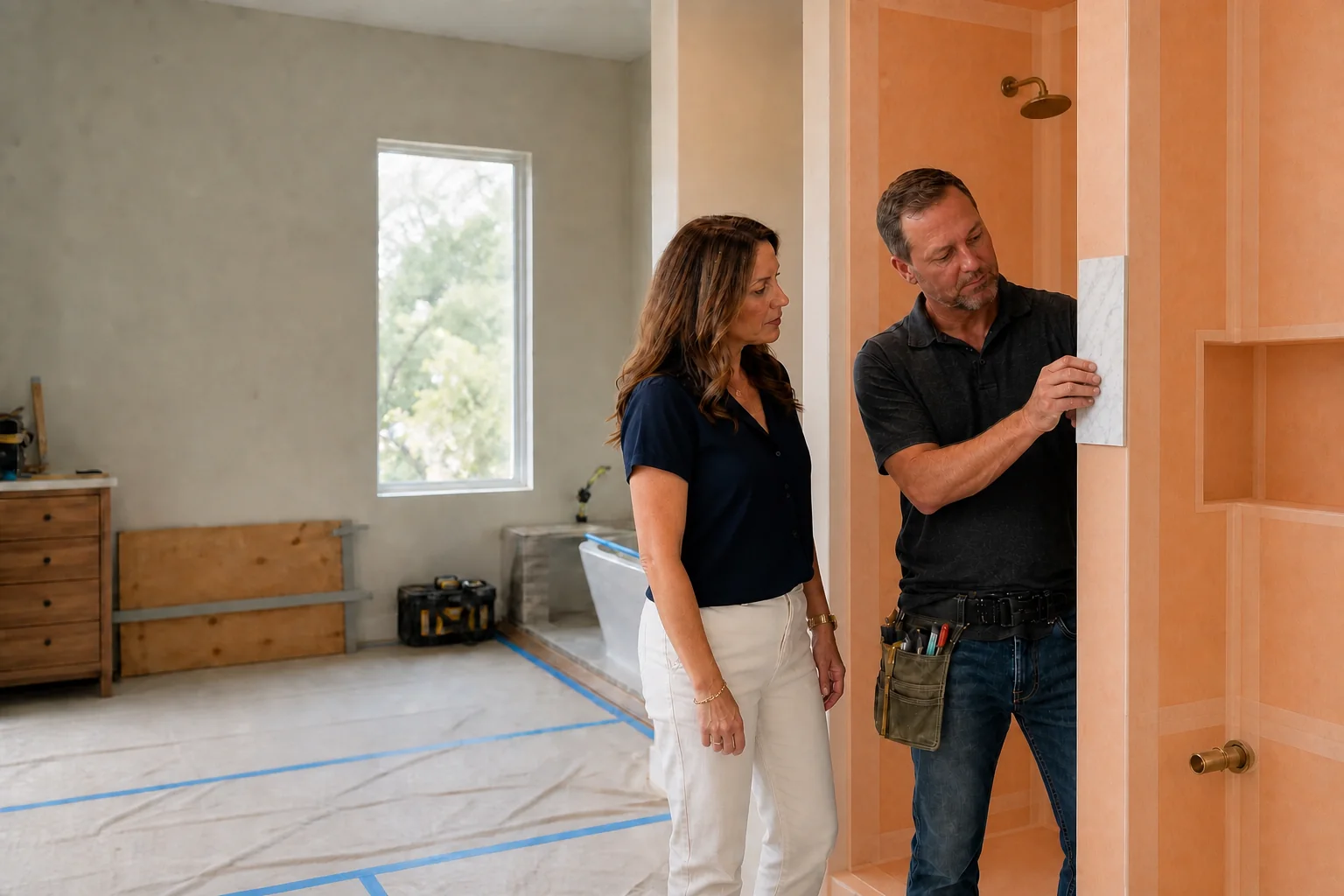
A finish selection or design adjustment can appear minor when viewed on a sample board or specification sheet. In a complex remodel, however, that decision rarely exists by itself.
Look beyond the immediate change
Consider replacing an orange-peel or crow's-foot wall texture with a Level 5 smooth finish. On paper, this may seem like a straightforward drywall upgrade.
A smooth finish is far less forgiving than a textured surface. Variations in walls, ceilings, and framing that were previously concealed can become visible. Achieving the intended appearance may require additional floating, sanding, preparation, or framing corrections.
The decision is no longer simply about drywall labor. It affects the conditions required to produce the designer's intended result.

For designers, these are the moments when early construction collaboration becomes especially valuable. A seemingly small selection can influence substrates, transitions, tolerances, sequencing, and the client's total investment.
The material price is not the installed cost
On one project, a client found high-end Carrara marble tile at an attractive sale price and considered upgrading from a mid-grade ceramic selection.
The tile itself represented an excellent value. The complete shower installation, however, also required compatible edge treatments, transitions, additional waste, substrate preparation, sealing, and more specialized installation. Once those details were included, the installed cost was substantially different from the material price alone.
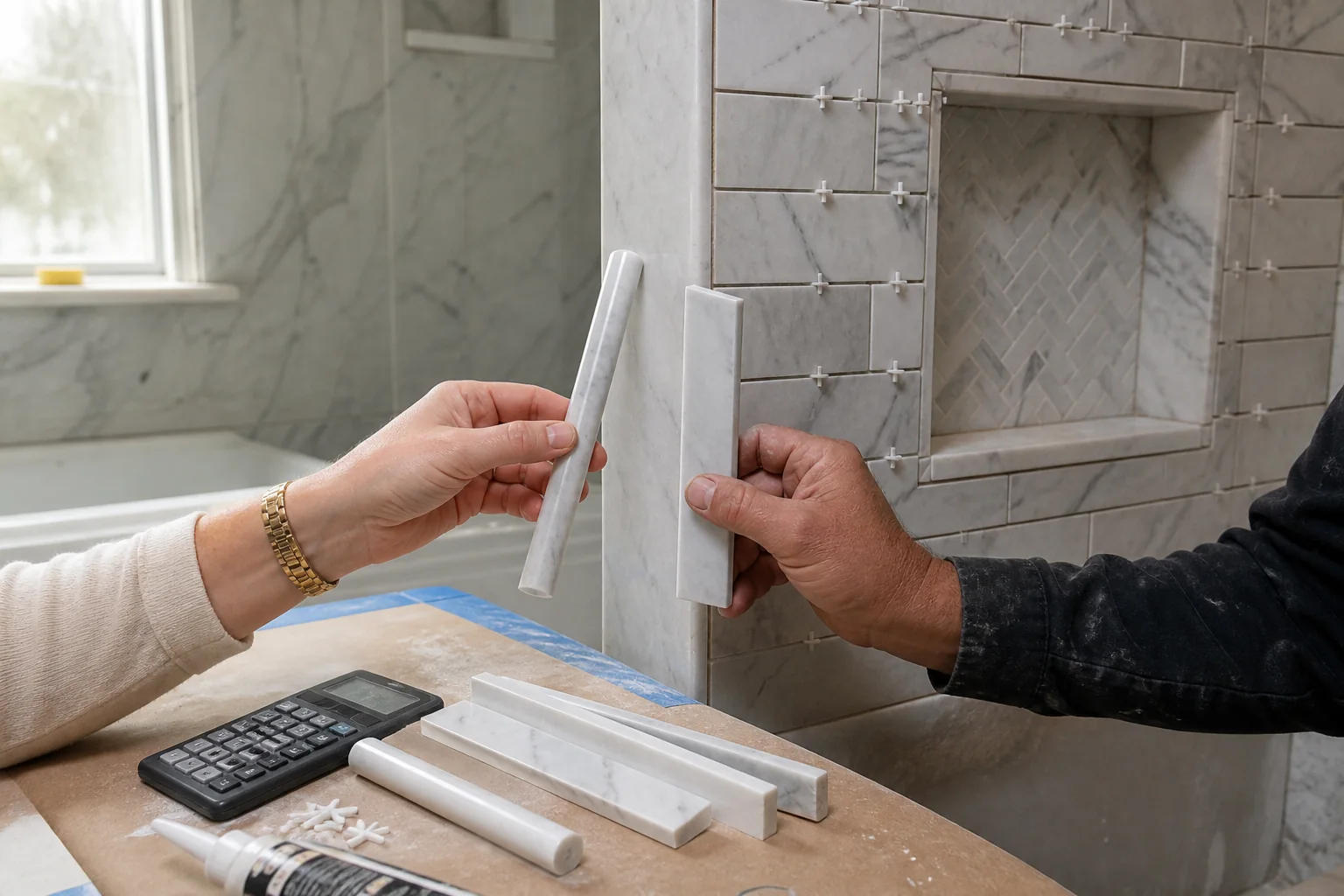
This is where the designer and construction partner serve complementary roles. The designer establishes the visual intent and critical details. The construction team evaluates field conditions, fabrication requirements, installation tolerances, availability, cost, and sequence.
The objective is not to simplify the design. It is to ensure the completed work delivers it.
A three-day change can create a three-week delay
When a change is proposed, Vanguard considers the project's current phase, the work already completed, the trades affected, and the sequence that must follow. We also evaluate whether the decision changes material lead times or disrupts a specialty contractor's scheduled visit.
Skilled specialty trades are often committed weeks in advance. If a change causes a crew to miss its scheduled window, work requiring only two or three additional days could delay the larger project by two or three weeks.
Materials present similar concerns. Wood flooring, millwork, and other building products may need time to acclimate before installation. Changing a selection or delivery date can alter the order of operations and limit what other work can proceed safely.
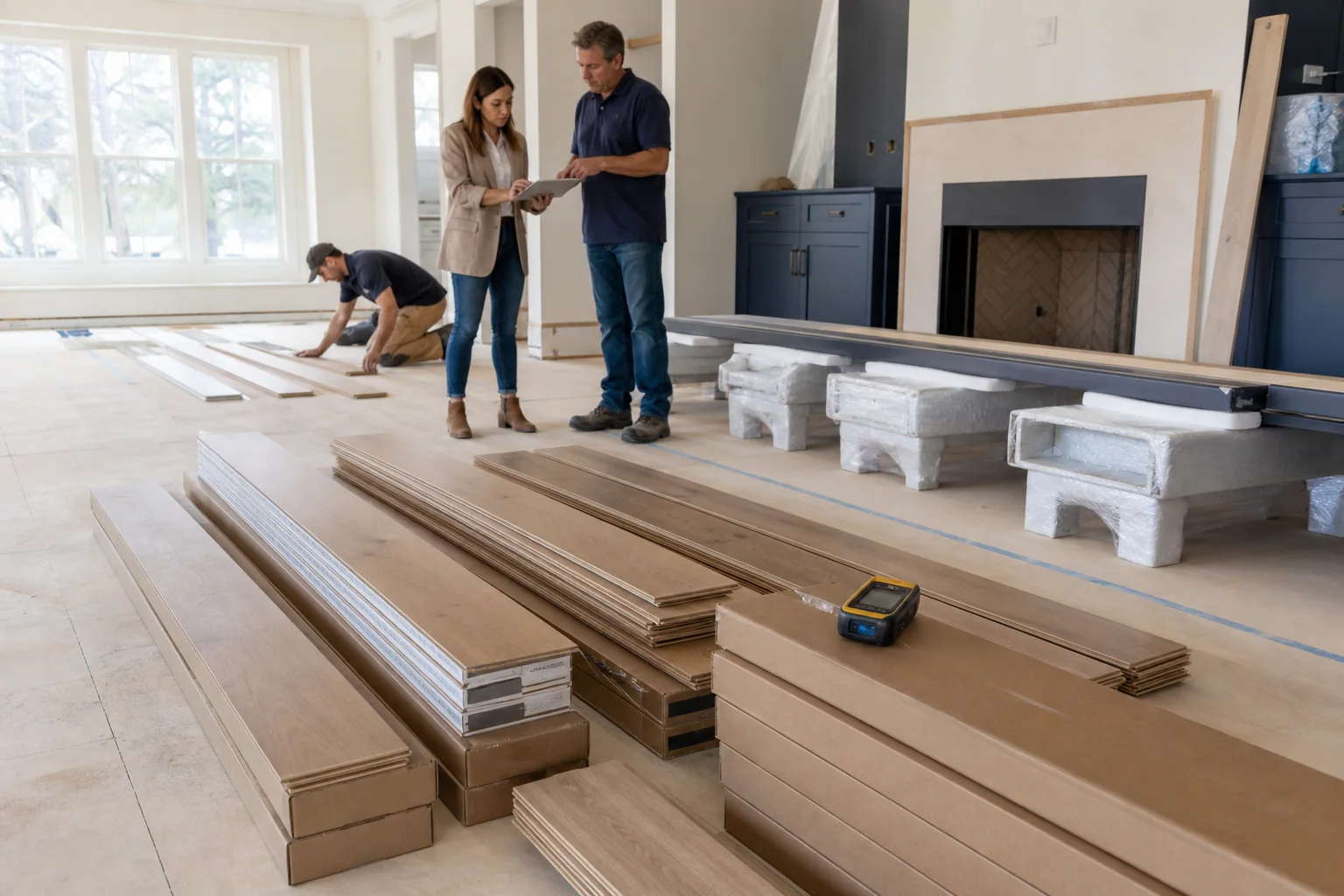
“These consequences are not reasons to avoid making changes. They are reasons to understand the complete impact before committing to them.”
Coordinate before the selection becomes a commitment
Homeowners do not need to become construction experts, and designers should not have to resolve every field condition alone.
Before purchasing a material or finalizing a substitution, send a quick message:
That short pause can reveal downstream implications while there is still time to respond thoughtfully.
At Vanguard Construction Partners, our role is to translate those interconnected details into clear decisions. We help evaluate constructability, cost, schedule, and field conditions while respecting the designer's creative direction and relationship with the client.
For homeowners, early coordination can prevent an attractive purchase from becoming an expensive surprise. For designers, early feasibility input can protect important details from being compromised by late field discoveries or rushed redesign.
The objective is never to discourage a thoughtful upgrade. It is to understand what the idea requires, coordinate it across the full team, and deliver the result as intended.
Because in a complex remodel, small changes are rarely isolated.
Visual note: The editorial images in this article were created to illustrate planning concepts and are not presented as completed Vanguard projects.